
The United States economy is currently experiencing a period of modest growth coupled with rising inflation, presenting challenges for both policymakers and citizens. Recent data indicates that the real Gross Domestic Product (GDP) grew at an annual rate of 1.6% in the first quarter of 2026. While this marks an improvement from late 2025, the growth remains moderate.
Simultaneously, the annual inflation rate has reached a three-year high of 3.8%, raising concerns about potential stagflation—a scenario characterized by stagnant economic growth and high inflation. Factors contributing to these economic conditions include increased energy costs and the implementation of tariffs on various imports.
Trade policies have been a focal point in recent months. The U.S. Trade Representative initiated a Section 301 investigation into Vietnam over concerns regarding intellectual property enforcement. This probe could lead to new tariffs on Vietnamese imports if the issues are not resolved, potentially affecting both international relations and domestic markets.
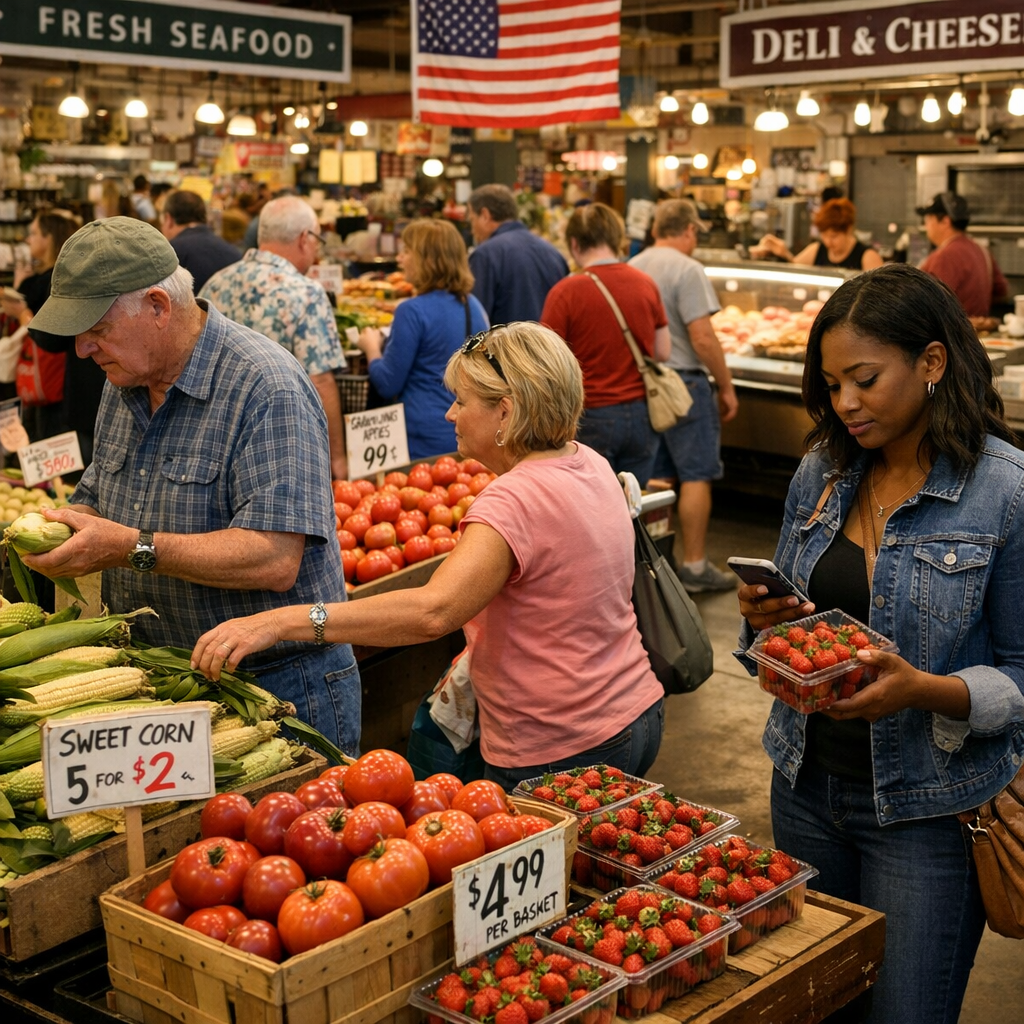
For residents of Salem, Oregon, these national economic trends have tangible local implications. Rising inflation can lead to higher prices for everyday goods and services, impacting household budgets. Additionally, changes in trade policies may affect local businesses that rely on imported goods or export their products abroad.
As the economic landscape continues to evolve, staying informed about these developments is crucial. Understanding the broader national context can help individuals and businesses in Salem make informed decisions and adapt to the changing economic environment.