

By Ethan Williams
Across the country, Americans are grappling with concerns that go beyond daily distractions. On issues from living costs to the role of the Supreme Court, public opinion data and recent rulings show what’s driving national debate. Here’s a closer look.
Economic Worries and Daily Strains
Many U.S. households are facing financial pressure. Living costs—especially for food, housing, and transportation—are among the top concerns. Fuel prices, in particular, are causing frustration as they’ve jumped sharply over recent months. These inflationary pressures are shaping how voters feel about both the economy and political leadership.
Inflation and Costs That Bite
Healthcare, housing, and everyday essentials remain key stressors. Citizens’ worries over the price of energy, transportation, and basic goods highlight a broader anxiety about economic stability and affordability.
Trade Policy and Unintended Costs
Tariffs and trade policies have become increasingly contentious. Many feel that these measures, intended to protect domestic industries or assert global leverage, are instead raising costs for consumers and complicating supply chains.
Supreme Court Decisions and Political Power
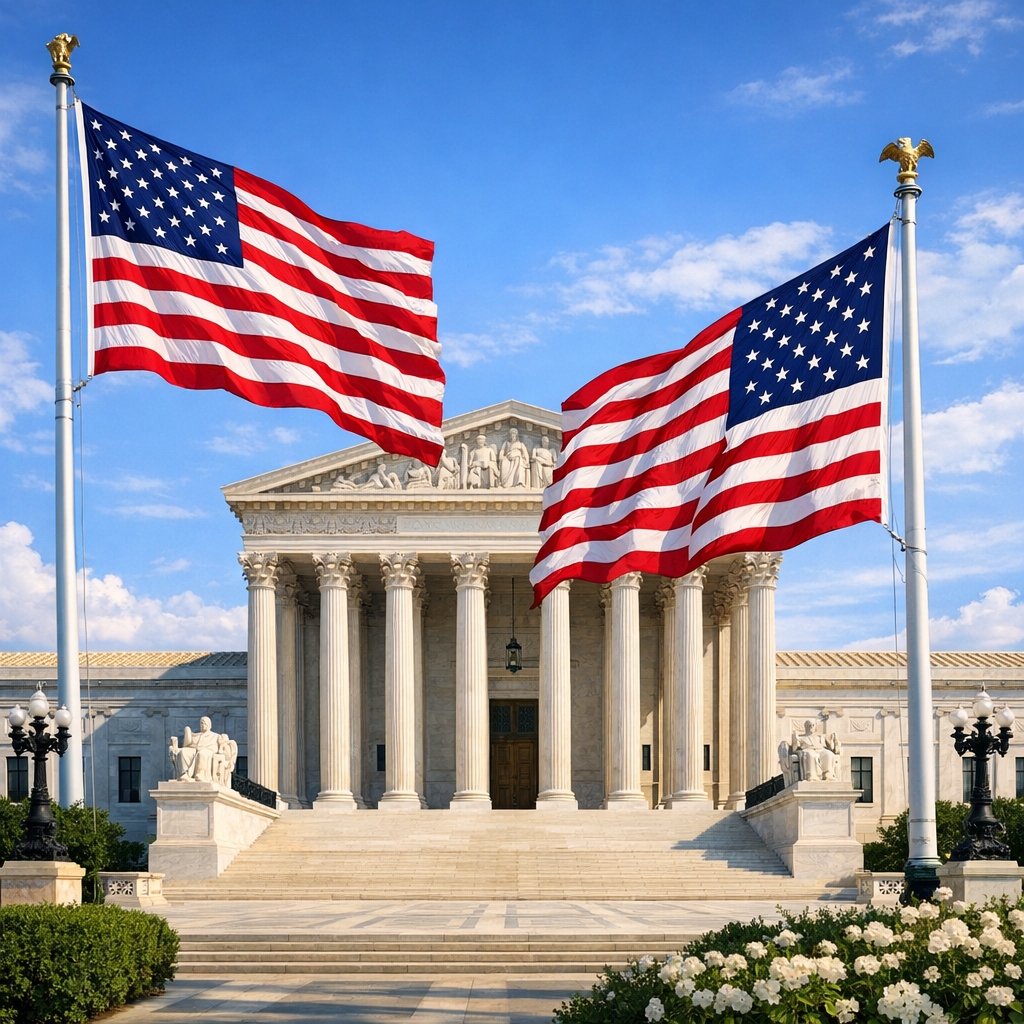
The current Supreme Court term delivered decisions with wide-reaching consequences—from restricting components of the Voting Rights Act to curbing what presidents can do without clear congressional approval. These rulings are altering power structures across government branches and have sparked debate over checks and balances.
Some rulings that stood out:
- A reduction in judicial tools that helped enforce voting protections, particularly in areas of racial justice.
- A judgment rejecting unilateral executive actions on immigration and trade when not explicitly authorized by Congress.
Trust, Polarization, and Voter Engagement
Beyond policies and court rulings, many Americans express deep concern over government institutions, political accountability, and whether elected leaders are responsive to public needs. These concerns fuel distrust and make voter mobilization a central part of the national conversation.
At the same time, groups focused on voter turnout and engagement are facing funding gaps. As elections unfold, questions about fairness in voting laws, transparency, and civic access are under more scrutiny than ever.
Why It Matters Here in Oregon — and What’s Ahead
Even in Salem, waves from national shifts are felt. Rising costs affect rent, gas, groceries. Court rulings shape what policies state lawmakers can pass, especially around elections and healthcare. Public trust influences voter participation locally.
Looking ahead, the trajectory of inflation, upcoming Supreme Court decisions, and whether political leaders manage to restore confidence could define this election cycle and beyond.